
The Soul of a Nation
Azerbaijani Folk Music
Azerbaijani folk music is one of the most compelling and vibrant musical traditions in the world. Rooted in centuries of cultural exchange, oral transmission, and poetic expression, it serves as a living chronicle of Azerbaijan's identity. Whether echoing from the mountainous villages of the Caucasus or resounding in the courtyards of Baku, the folk music of Azerbaijan is both a treasure trove of the past and a bridge to the future.
Mugham: The Spiritual Core
At the heart of Azerbaijani folk music lies Mugham (or Muğam), a highly intricate and improvisational musical form that defies easy categorization. Mugham combines vocal performance, instrumental improvisation, and poetic recitation. Its modal structure, known as "mugham dastgah," allows performers to explore a wide emotional and philosophical range.
Mugham is performed by a trio typically consisting of a khananda (singer), a tar player, and a kamancha player. The vocalist often sings classical poetry, including verses by Nizami or Fuzuli, imbuing the performance with layers of spiritual and emotional depth.
In 2003, UNESCO recognized Azerbaijani mugham as a Masterpiece of the Oral and Intangible Heritage of Humanity, acknowledging its complexity, expressiveness, and cultural importance. Among the most renowned modern interpreters is Alim Qasimov, whose passionate performances have earned global acclaim. His daughter, Fargana Qasimova, continues the family legacy, fusing tradition with contemporary sensibility.
Ashiq Art: Music of the People
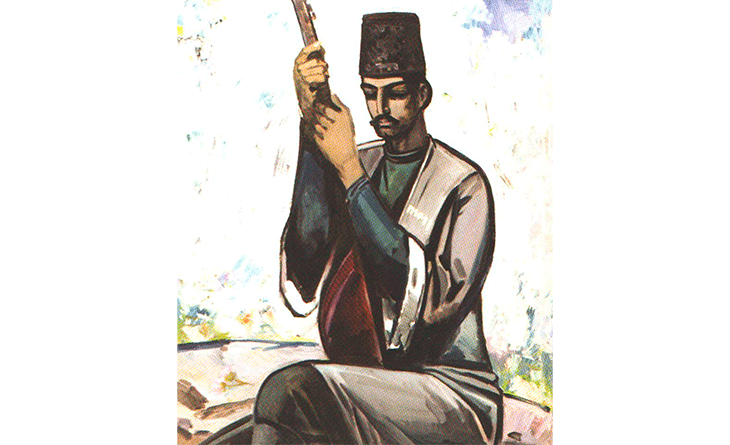
Another pillar of Azerbaijani folk music is the tradition of the Ashiqs — traveling bard-poets who sing and recite verse while accompanying themselves on the saz, a long-necked string instrument. Ashiq art is deeply intertwined with the oral tradition, often centered around epic tales, moral lessons, and lyrical storytelling. The performance of an Ashiq is both musical and theatrical, combining melody with gesture, costume, and a strong connection to the audience. One of the most celebrated figures in this tradition is Ashiq Alasgar (1821–1926), whose lyrical poetry and melodic creativity helped define the genre. Ashiqs continue to be vital cultural figures in contemporary Azerbaijan, appearing at weddings, festivals, and national celebrations. In 2009, UNESCO also inscribed Ashiq art on the Representative List of the Intangible Cultural Heritage of Humanity.
Dance Music: Rhythm of Celebration
Azerbaijani folk music is also inseparable from dance. Regional dances like Yalli, Terekeme, and Uzundara are accompanied by energetic and often piercing sounds of traditional instruments like the zurna (double-reed wind instrument) and nagara (cylindrical drum).
These dances are typically performed in groups and symbolize communal unity, social rituals, or agricultural celebrations. Movements are often synchronized and convey stories of heroism, courtship, or spiritual transcendence. Each region of Azerbaijan offers its own variations. For instance, in Karabakh, the dances are known for their elegance and romantic overtones, while those in Nakhchivan and Shirvan might emphasize rhythmic complexity or group coordination.
Folk Songs and Laments: Echoes of Everyday Life
Beyond the formal traditions of mugham and Ashiq art, Azerbaijani folk music thrives in countless regional songs, lullabies, work chants, love ballads, and laments. These pieces are often anonymous, passed down through generations and adapted to changing times. Themes range from the pain of exile and the longing for homeland to pastoral beauty, heroic deeds, and daily life. Instruments such as the balaban (a soft, mellow wind instrument), gaval (a type of frame drum), oud, and daf are common. A particularly moving genre is the bayati, a form of lyrical lament, often sung by women to express sorrow, resilience, or joy. These songs serve as intimate windows into the lives and emotions of ordinary people throughout history.
Modern Echoes and Global Reach
While deeply rooted in tradition, Azerbaijani folk music continues to evolve. Contemporary musicians experiment with jazz, electronic, rock, and classical orchestration, breathing new life into ancient sounds. Baku has become a hub for musical fusion, where tradition meets innovation. Institutions like the Baku Music Academy and international festivals such as the Gabala International Music Festival play an essential role in preserving and promoting Azerbaijan's musical heritage.
Folk music in Azerbaijan is more than just a form of artistic expression; it is literally a living, breathing manifestation of the nation's identity. It carries the voices of poets, the prayers of dervishes, the footsteps of dancers, and the hopes of generations that have come before it. Not only do we hear music, but we also hear the story of a people through the spiritual depth of mugham, the poetic tales of Ashiqs, and the heartbeat of festivities in the hamlet. In a rapidly changing world, this music remains a sanctuary of memory and imagination, inviting us to listen, reflect, and connect.