
Emin Mammadov
A Carpet Story
Emin
Mammadov, born in Baku, Azerbaijan, in 1970, is the founder of QGallery Baku
and QGallery Berlin, which showcase contemporary art. As the Artistic Advisor
of the Heydar Aliyev Foundation and Center, Mammadov has been a key figure in
organizing numerous exhibitions in Azerbaijan and across Europe. Since 2021, he
has chaired Azerkhalcha OJSC, which creates contemporary carpets incorporating
traditional elements. He is also a member of Azerbaijan’s Expert Committee on Monuments,
Vice-President of ICOM Azerbaijan, and an Honored Worker of Art. Emin
Mammadov's work spans international exhibitions such as Fly to Baku, Venice
Biennale pavilions, and the Nasimi Festival. He has curated over 60 exhibitions
at the Heydar Aliyev Center and contributed to multiple cultural heritage and
art projects, including the International Nasimi Festival, Giz Galasy Art
Festival, and more. He is an honorary member of the Russian Academy of Arts, and
he was awarded the Tereqqi (Progress) medal and the Certificate of Honour from Azerbaijan’s
Ministry of Culture.
Emin
Mammadov passionately discussed the significance of Azerbaijani carpet
patterns, emphasizing their deep cultural and historical roots. He elaborated
on the pioneering work of Latif Karimov, who systematically categorized
Azerbaijani carpets into distinct types and groups based on their unique
characteristics, such as loop density and pattern elements. This classification
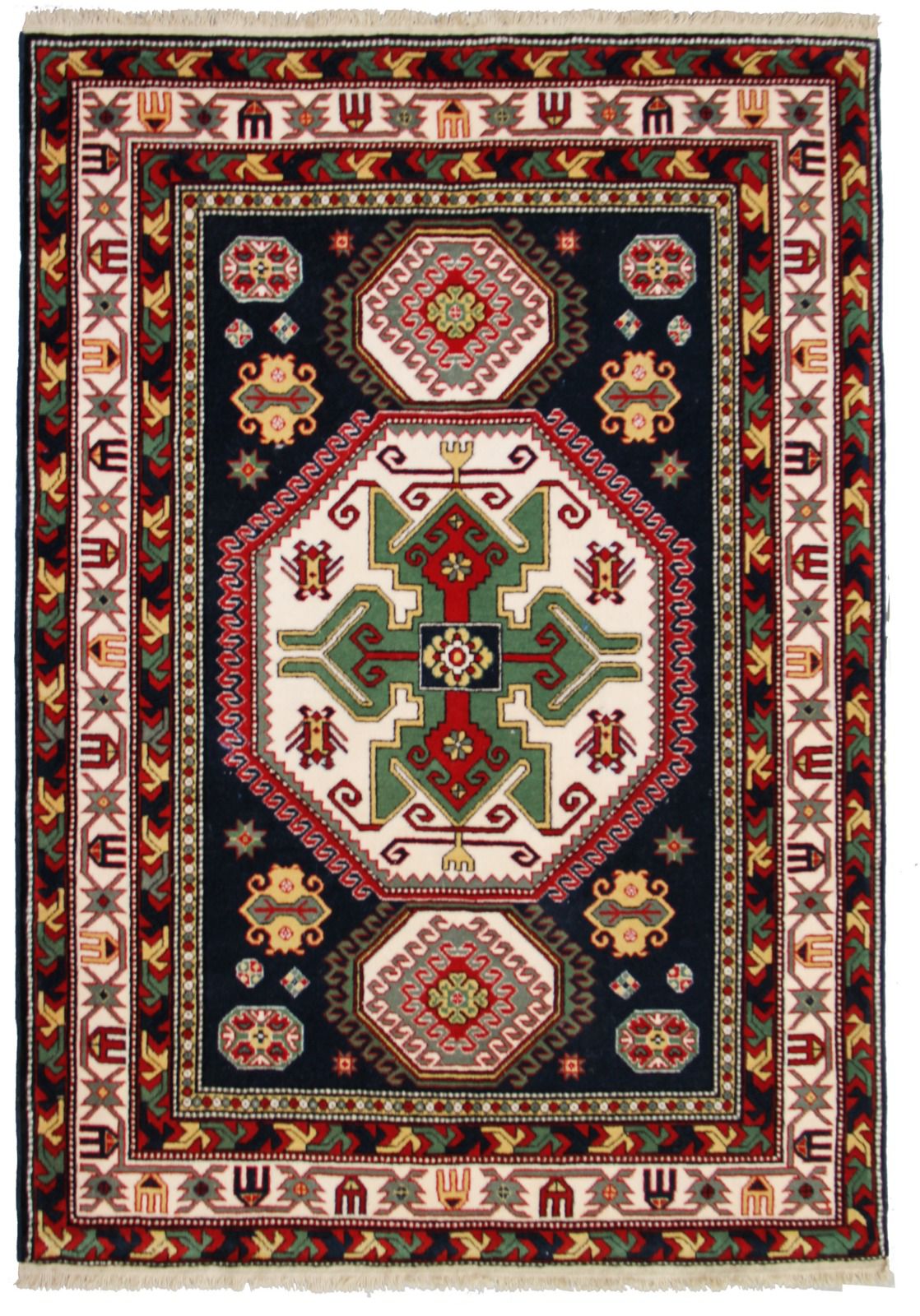
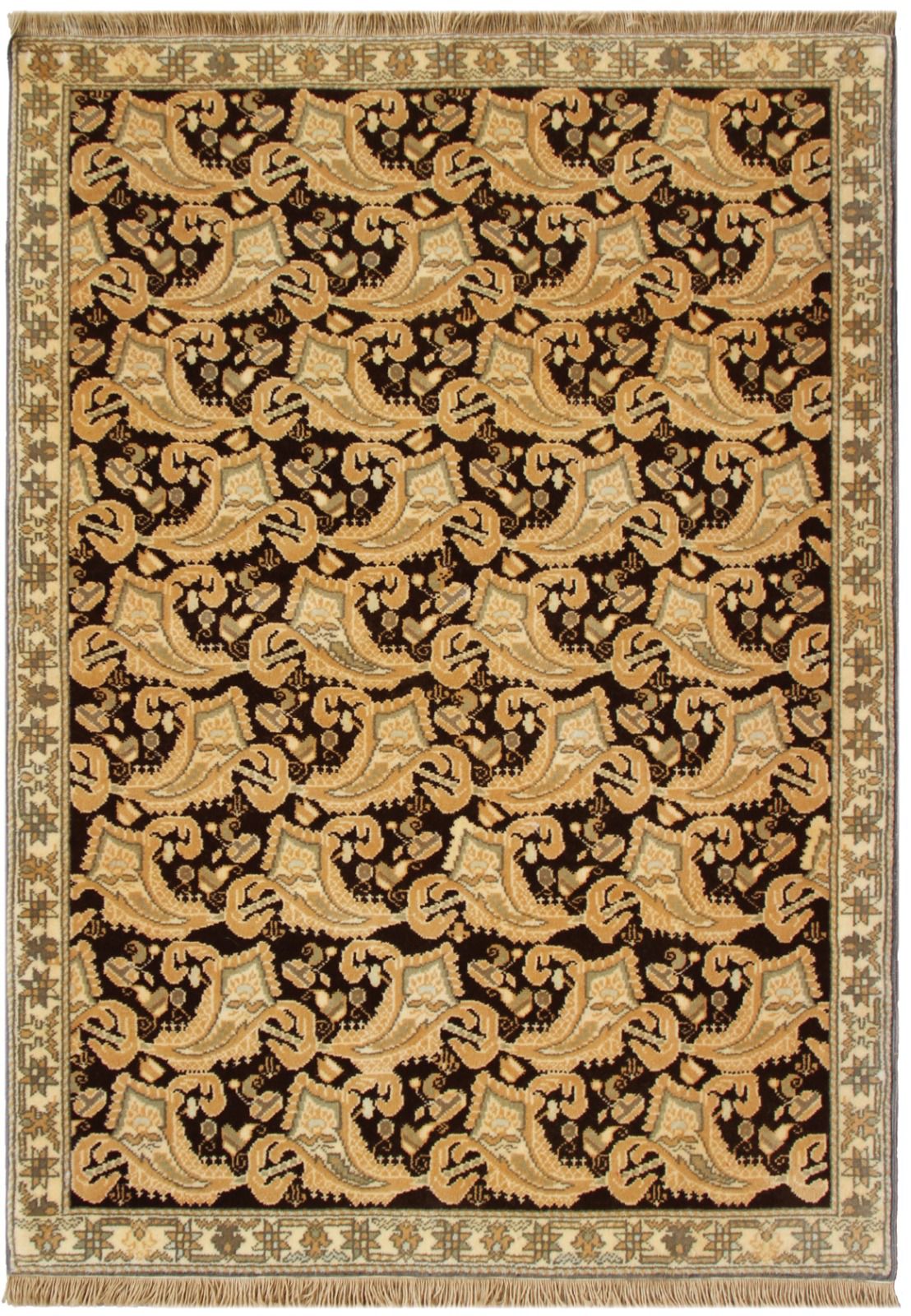
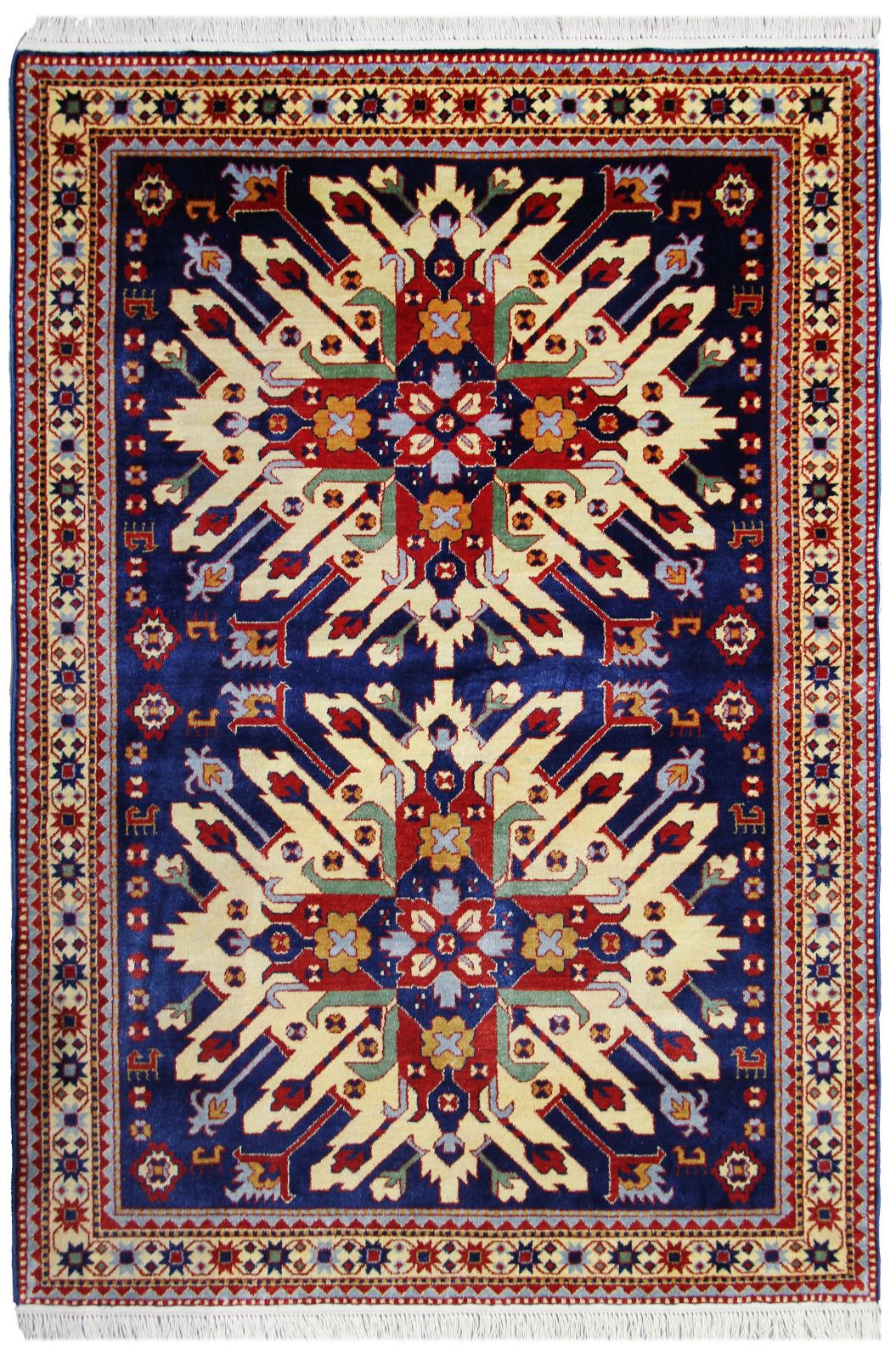
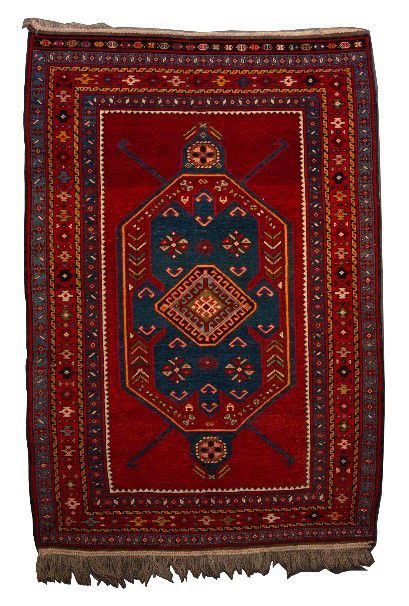
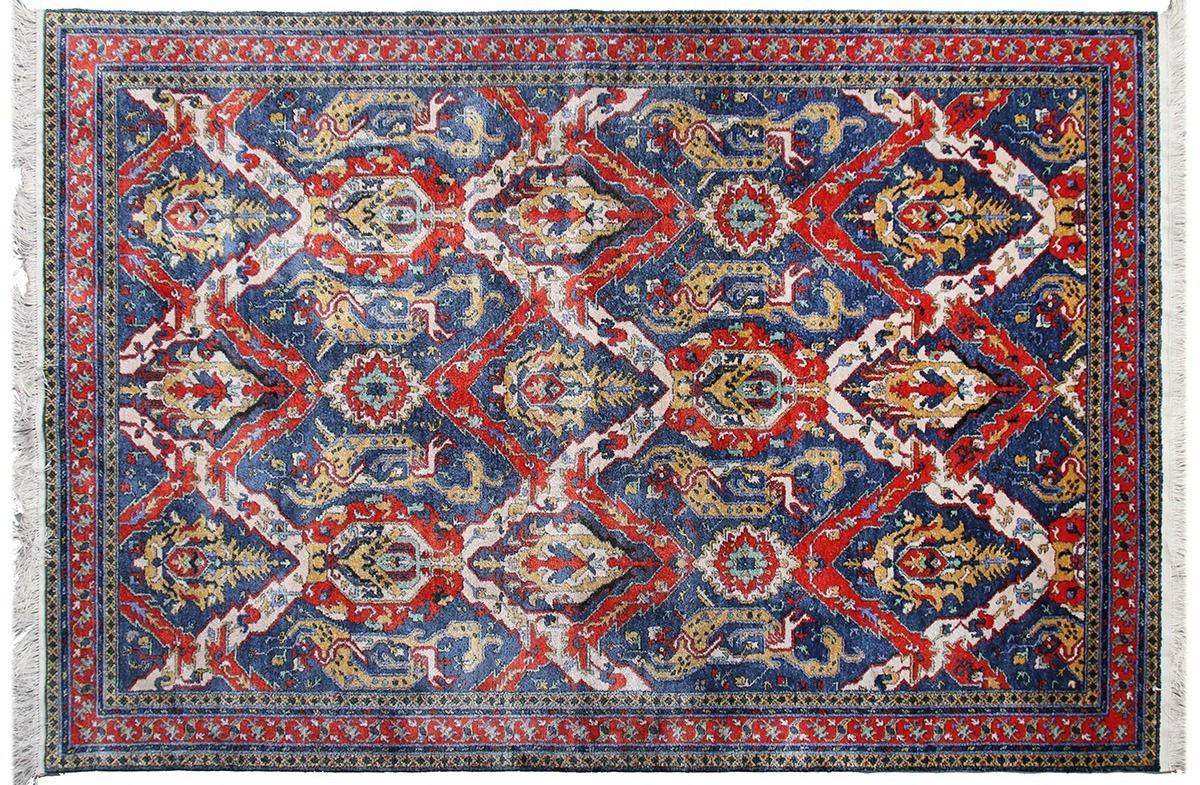
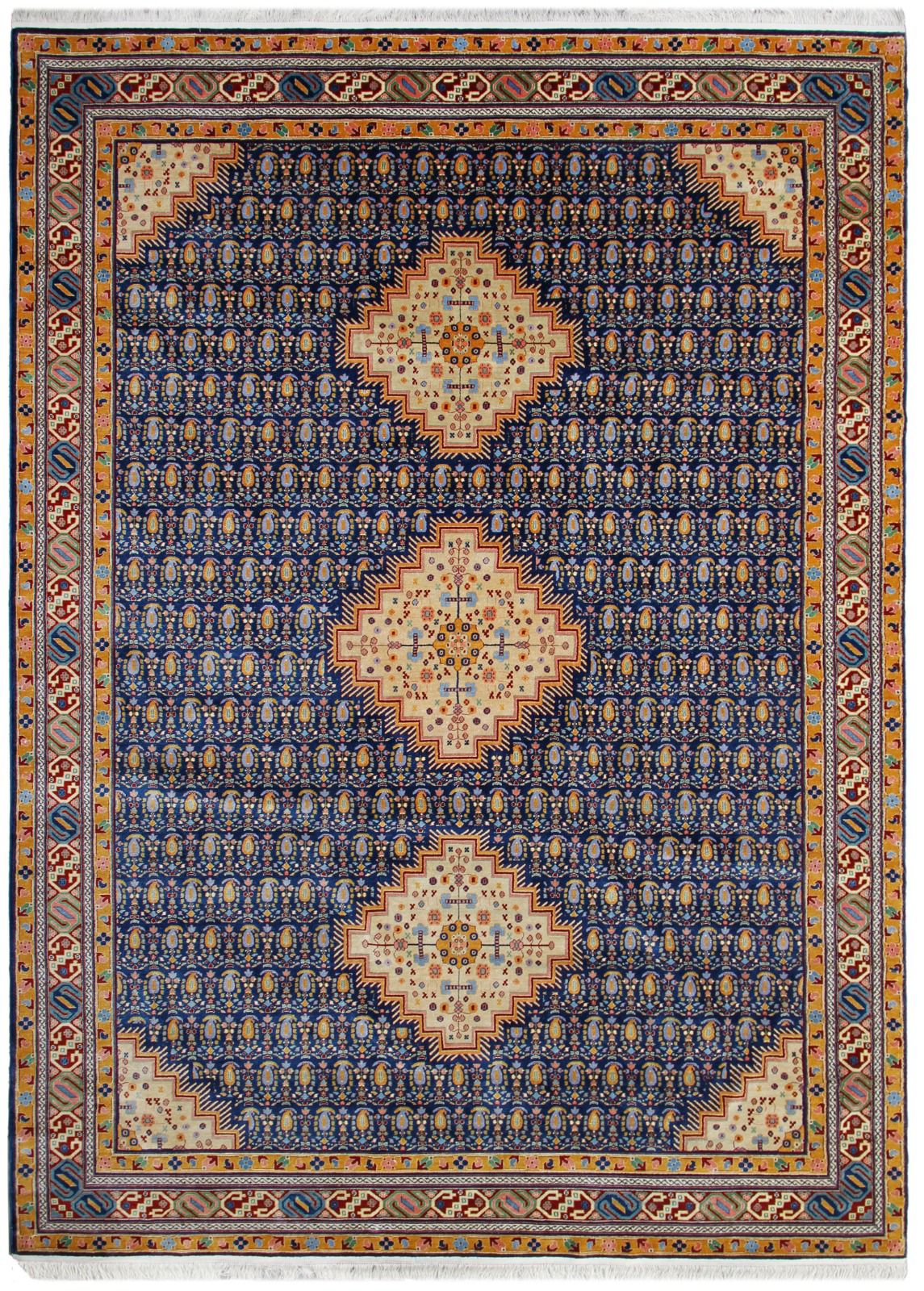
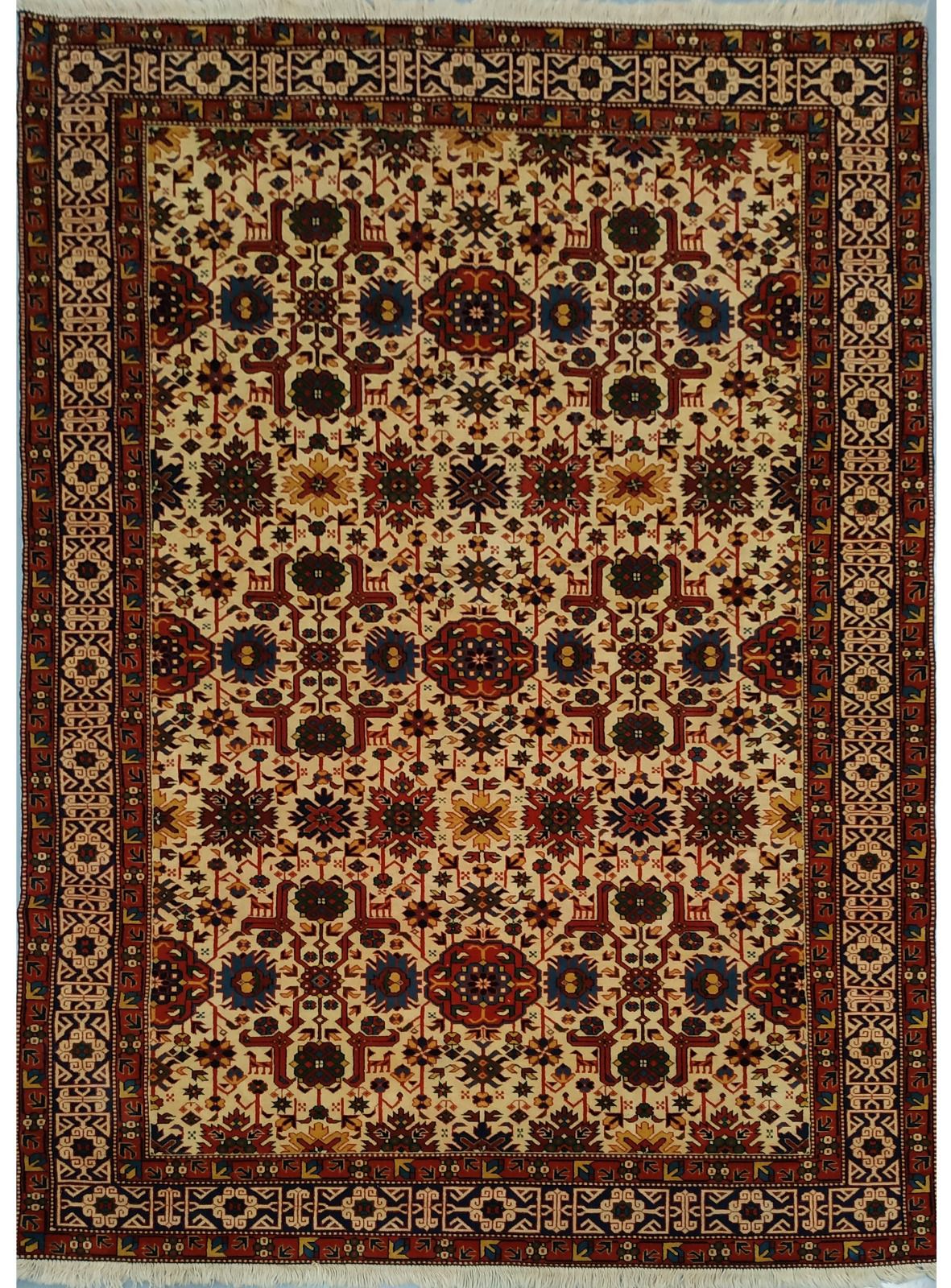
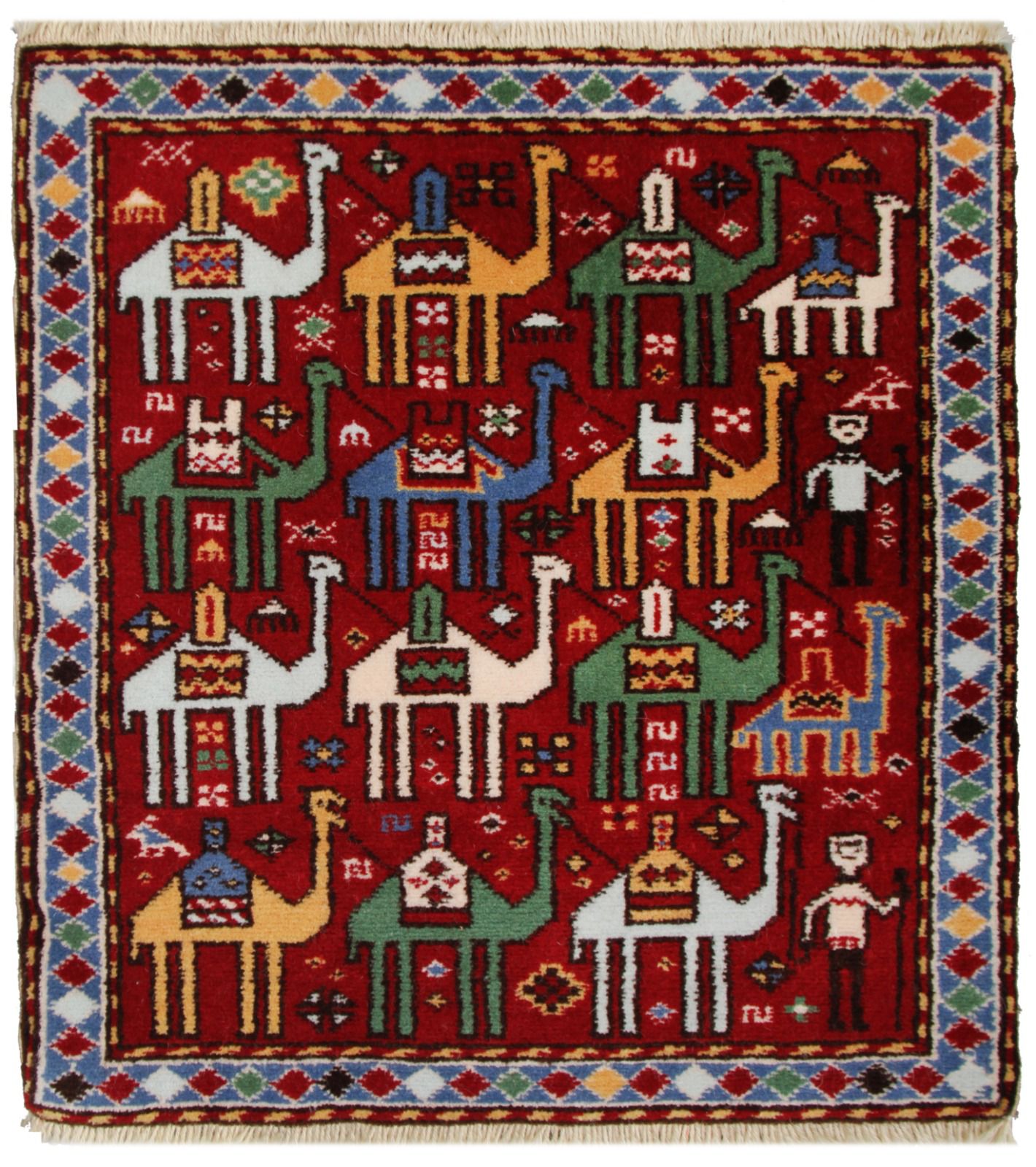
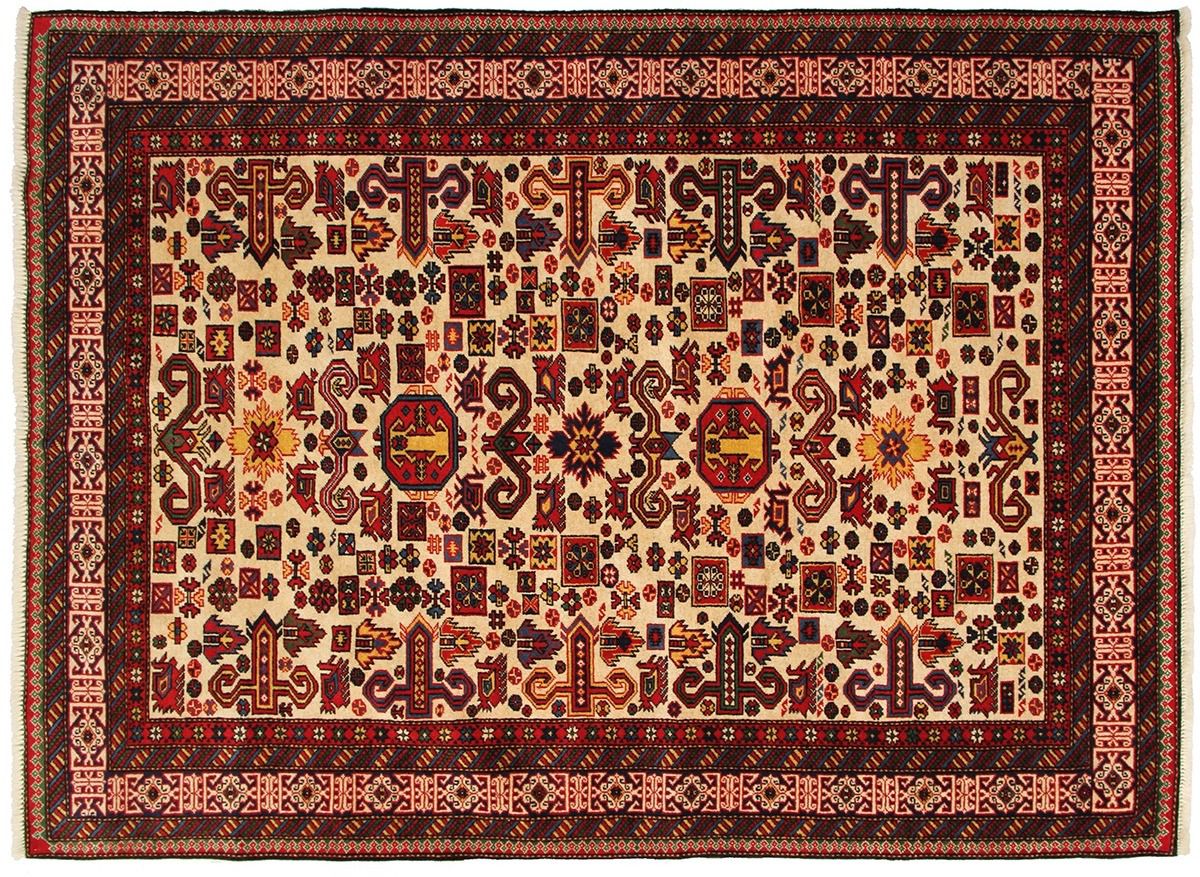
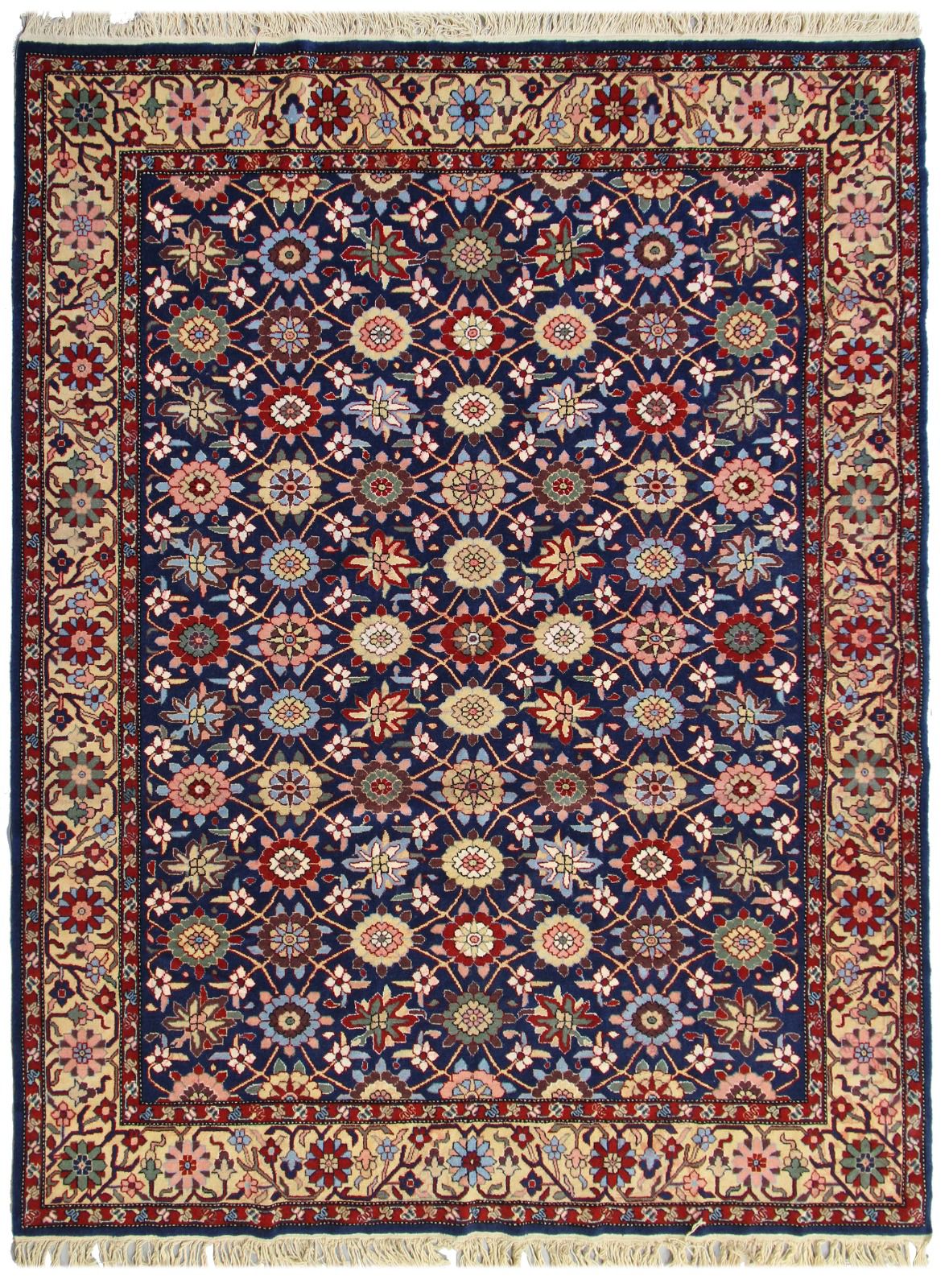
includes the Guba-Shirvan, Ganja-Kazakh, Karabakh, and Tabriz types, each
reflecting the region's specific technical and technological nuances. Mammadov
highlighted the importance of preserving these traditional patterns and the
knowledge embedded within them. He explained that understanding the
"language" of the carpets requires familiarity with Azerbaijan's
history and folklore. The emotional and physical states of the weavers are
often subtly woven into the carpets, adding layers of meaning and value to
these works of art. In discussing the global influence of Azerbaijani carpets,
Mammadov noted the spread of carpet art along historical trade routes like the
Silk Road. He described how specific patterns, such as the octagonal "Oguz
stamp," have transcended borders and can be found in the symbols of
Azerbaijan and Turkmenistan, reflecting a shared cultural heritage and
instilling a sense of pride in our cultural heritage.
He
concluded by reflecting on the enduring significance of carpets as carriers of
cultural heritage. Mammadov emphasized the vital role of innovation in keeping
this heritage alive, ensuring that the art of Azerbaijani carpet weaving
continues to flourish and evolve while staying true to its historical roots.
Speaking on
the historical significance of carpets in ancient civilizations such as Persia,
Egypt, and China. “The art of carpet
weaving has deep historical roots, tracing back to ancient civilizations such
as Persia, Egypt, and China. Intertwined with cultural and spiritual values,
this craft has played a significant role in the everyday lives of people across
these regions. Emin Mammadov, an expert in the field, sheds light on carpets'
origins and cultural significance, highlighting how this art form has evolved
alongside human civilization. From the earliest days, humans have used weaving
as a practical solution to protect their living spaces from the elements. Over
time, this necessity blossomed into an art form, with various weaving
techniques emerging in different parts of the world. The Turkic peoples,
including the Azerbaijani, viewed carpets not just as household items but as
embodiments of their spiritual and cultural values. This perspective is evident
in Azerbaijan, where carpets are integral to daily life, from children's first
steps to rituals honoring the deceased. In the Middle Ages, Azerbaijan emerged
as a significant center for both piled and pileless carpet production in the
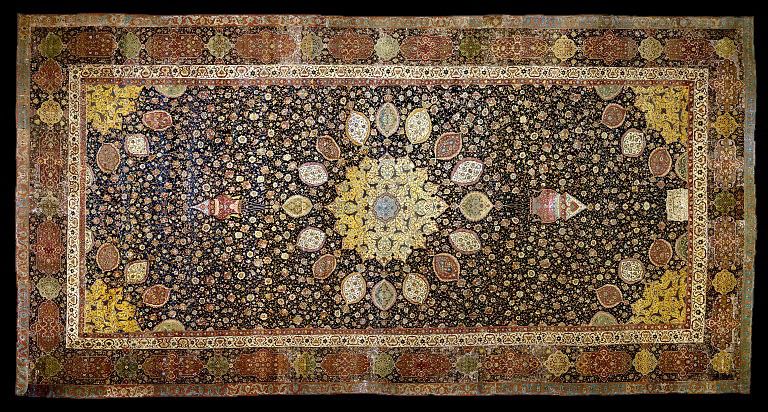
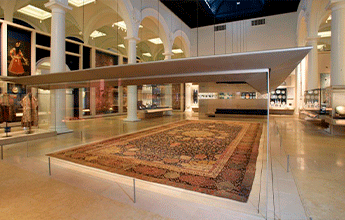
East. The "Sheikh Shafi" carpet, woven in 1539 in Ardabil, South
Azerbaijan, and now housed in London's Victoria and Albert Museum, exemplifies
the pinnacle of Azerbaijani carpet artistry. With their intricate designs and
vibrant colors, Azerbaijani carpets are prominent exhibits in many of the
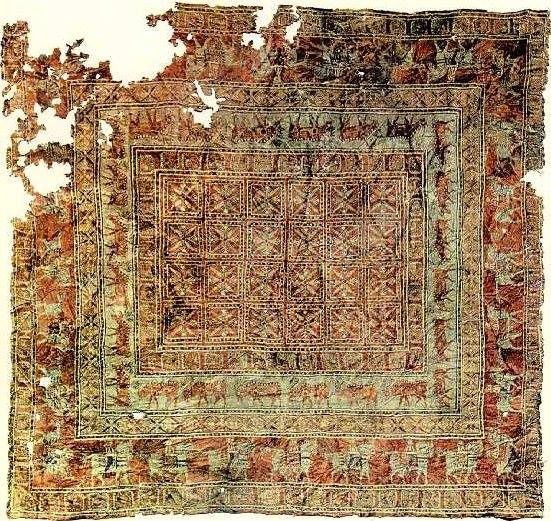
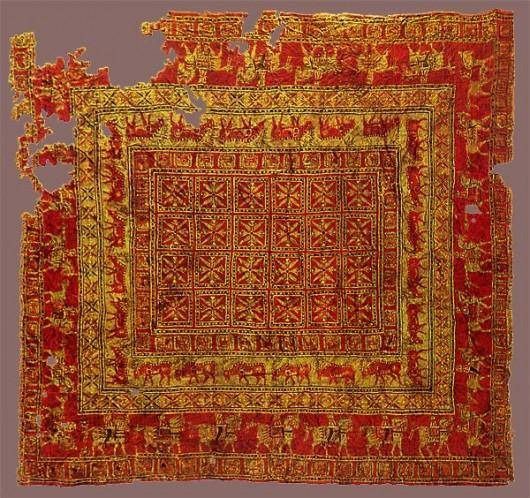
world's most famous museums. One of the most notable ancient carpets is the
"Pazırık" carpet, discovered in a burial mound in Siberia in 1949 and
now housed in the Hermitage Museum in St. Petersburg. This carpet, over 2,500
years old, is believed to have been woven for the burial of a Turkic tribe
leader. Its complex design and advanced weaving technology underscore the deep
historical roots of carpet weaving among Turkic peoples. The Hungarian
Turkologist Laszlo Rasonyi, among others, has linked the origins of carpet
knotting techniques to these nomadic tribes, connecting the evolution of
carpet-making with their way of life. The "Pazırık" carpet, with its
rich symbolism and intricate patterns, reflects ancient Turkish traditions.
Emin Mammadov notes that the patterns on this ancient carpet are a treasure
trove of cultural and historical information, preserving the legacy of the Oguz
people. However, he also emphasizes that carpet art is not exclusive to Turkic
peoples. Throughout history, many civilizations, including Greek, Persian,
Egyptian, Indian, Chinese, and Japanese, have influenced and been influenced by
this art form. The synthesis of cultural characteristics from various peoples
has enriched the tradition of carpet weaving, making it a shared cultural
heritage. The spread of carpet weaving, particularly piled carpets, has been
influenced by ethnic migrations, trade routes, and the Silk Road. Countries
like Turkey, Azerbaijan, Iran, India, and China have been pivotal in developing
and diversifying this art. The patterns found on carpets often reflect broader
cultural exchanges, as seen in the common motifs shared across regions linked
by the Silk Road.
In
summary, the historical significance of carpets in ancient civilizations
extends beyond their practical uses. They are cultural artifacts that embody
the artistic, spiritual, and social values of the people who created them. As
Emin Mammadov eloquently explains, the art of carpet weaving is a vital part of
human heritage, a testament to the creativity and cultural richness of ancient
civilizations. Today, these carpets continue to be cherished for their beauty
and craftsmanship, serving as reminders of the enduring legacy of the past and
connecting us to a rich cultural heritage.
On how have patterns and motifs
found in traditional Azerbaijani carpets influenced other design and art forms
throughout history. “The
intricate patterns and motifs in traditional Azerbaijani carpets have long
transcended their original purpose, influencing various design and art forms
throughout history. These carpets, rich with national traditions and symbolism,
are treasures of the Turkic cultural heritage and serve as a bridge of
friendship between peoples, linking past and future generations.
Azerbaijani
carpets, particularly those from North Azerbaijan, are known for their
geometric elements, including stylized and geometric patterns inspired by
natural elements. One notable motif is the "Damga" and the octagonal
patterns attributed to the Oghuz Turks, which have been preserved and passed
down through generations. These motifs are not just limited to carpets but are
also seen in other forms of art and cultural artifacts, indicating their deep
cultural significance and widespread influence. The Oghuz Turks, whose name
first appeared in the Yenisei Inscriptions, left behind patterned marks that
act as mysterious messages from the past to future generations. The octagonal "Oguz
stamp" is one such geometric element that has endured through centuries,
maintaining its significance in various cultural contexts. This motif is
prominently featured in the symbols of both Azerbaijan and Turkmenistan,
including their national coats of arms. In Azerbaijan, the eight-pointed star
featured in the State Coat of Arms symbolizes the sun, representing eternal,
permanent, and endless life. The white color of the sun signifies security and
peace, while the flame at its center symbolizes Azerbaijan, often referred to
as the "Land of Fires." This flame also symbolizes progress and
development, reflecting Islamic values and representing "Allah" in
the Arabic script.
Similarly,
in Turkmenistan, the national coat of arms features a circular carpet at its
center, symbolizing the nation's wealth and cultural heritage. The depiction of
the "Ahal Teke" horse, a pride of Turkmenistan, further highlights
the deep cultural and historical roots embedded in these symbols. These
elements, originating from Azerbaijani carpet designs, have found their way
into various aspects of cultural identity and state symbolism. They highlight
the enduring legacy of Azerbaijani carpet art, showcasing how these traditional
motifs have influenced and been integrated into broader artistic and cultural
narratives across regions. This influence not only underscores the rich
cultural heritage of the Turkic peoples but also demonstrates the universal appeal
and timelessness of Azerbaijani carpet patterns in the global cultural
landscape.”
On the
reflection of the cultural heritage and identity of the regions, the carpets
belong to, and the importance to preserve it. “Carpets, as intricate and
expressive art pieces, reflect the rich cultural heritage and identity of the
regions they originate from. In Azerbaijan, a country known for its diverse
geography and rich traditions, carpets are decorative items and symbols of the
nation's history and cultural diversity. The country's various regions, each
with unique geographical and cultural traits, have contributed to the distinct
styles in Azerbaijani carpets, making them a vital part of the country's
applied arts.
The
patterns and motifs found in Azerbaijani carpets are deeply rooted in the
nation's cultural and historical context. These designs have been the subject
of extensive research, with Latif Karimov, a distinguished artist-scientist and
carpet expert, pioneering the study of Azerbaijani carpets. Karimov's work
focused on understanding the meaning and origins of these patterns, which he
described as the "Letters of the Carpet Alphabet." He provided a
comprehensive scientific and artistic explanation of these motifs, revealing
their significance in the broader context of Azerbaijani culture.
Azerbaijani
carpets can be broadly categorized into two types: piled and pileless. The
pileless carpets include styles such as "Sumag," "Varni,"
"Cecim," "Ladi," "Zili," "Shadda,"
"Kilim," and palazzi carpets. Karimov's research also systematized
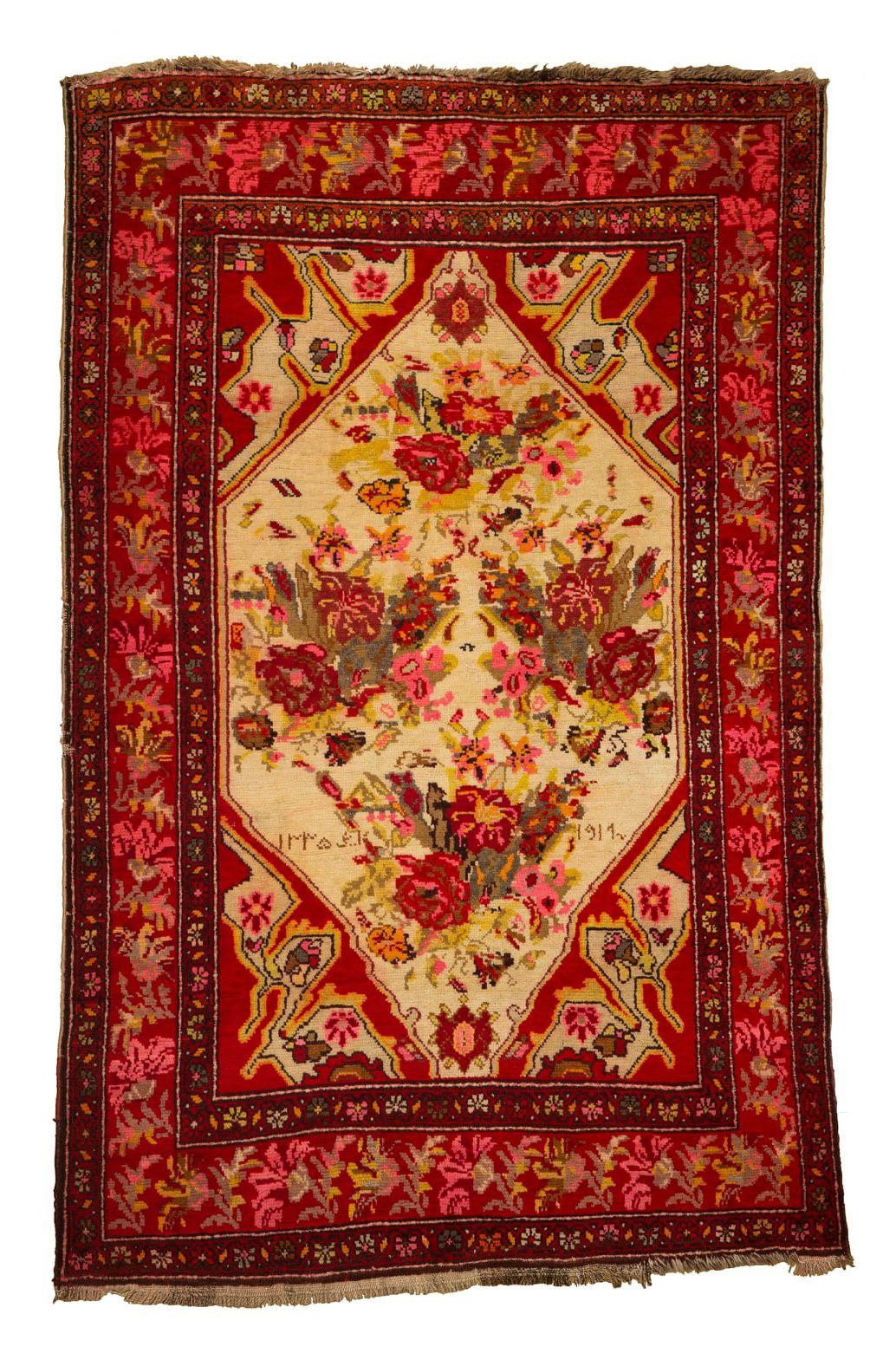
Azerbaijani carpet art into distinct regional groups, such as Guba, Shirvan,
Baku, Ganja, Gazakh, Karabakh, and Tabriz. Each group is characterized by
unique technical, technological, and aesthetic features, reflecting their regions'
specific cultural and geographical traits. The names of these carpets often
derive from their place of origin, the composition of their textures, or the
creative visions of their makers. The intricate patterns and craftsmanship of
carpet-making embody the region's cultural stories and historical events. For
example, the Guba, Shirvan, and Baku carpets are known for their distinct
Guba-Shirvan type, while those from Karabakh, Shusha, and Jabrail are
recognized for their unique Karabakh style. Preserving these carpets is not
merely about maintaining a craft; it is about safeguarding a vital part of
Azerbaijan's cultural and historical narrative. Depending on its storage
conditions, each carpet can last for many years, linking past and future
generations. To truly appreciate these carpets, one must be familiar with
Azerbaijan's history, folklore, and spiritual world. Creating a carpet, which
involves meticulous loop-by-loop weaving, captures the weavers' technological
and aesthetic qualities and emotional and spiritual state. This imbues each
carpet with a unique historical and cultural significance.
In
modern Azerbaijan, there is a strong emphasis on preserving these national and
cultural resources. Azerbaijani carpets are considered carriers of the nation's
history, traditions, and cultural wealth. Protecting this heritage and passing
it on to future generations is a national duty, ensuring that these invaluable
cultural artifacts continue to tell the story of Azerbaijan's rich and diverse
cultural tapestry.”