The Art of Azerbaijani Çorabs
History, Craft, and Modern Relevance
A Brief Global History of Socks
The concept of socks dates back to ancient civilizations, with the earliest forms appearing in ancient Greece. Greek women wore primitive versions of socks made from soft leather, often treated as undergarments, rarely displayed in public. It wasn’t until the Romans adopted these leather socks for use with military footwear that socks became functional for men, helping soldiers endure long marches by adding comfort and warmth. Later, in the 4th century, socks became part of the Catholic clergy’s attire, while the first knitted socks emerged in Spain around the 13th century. This innovation paved the way for William Lee’s invention of the knitting machine in 1589, a milestone in the development of modern hosiery.
The Origins of Çorabs: The Traditional Sock of the Caucasus
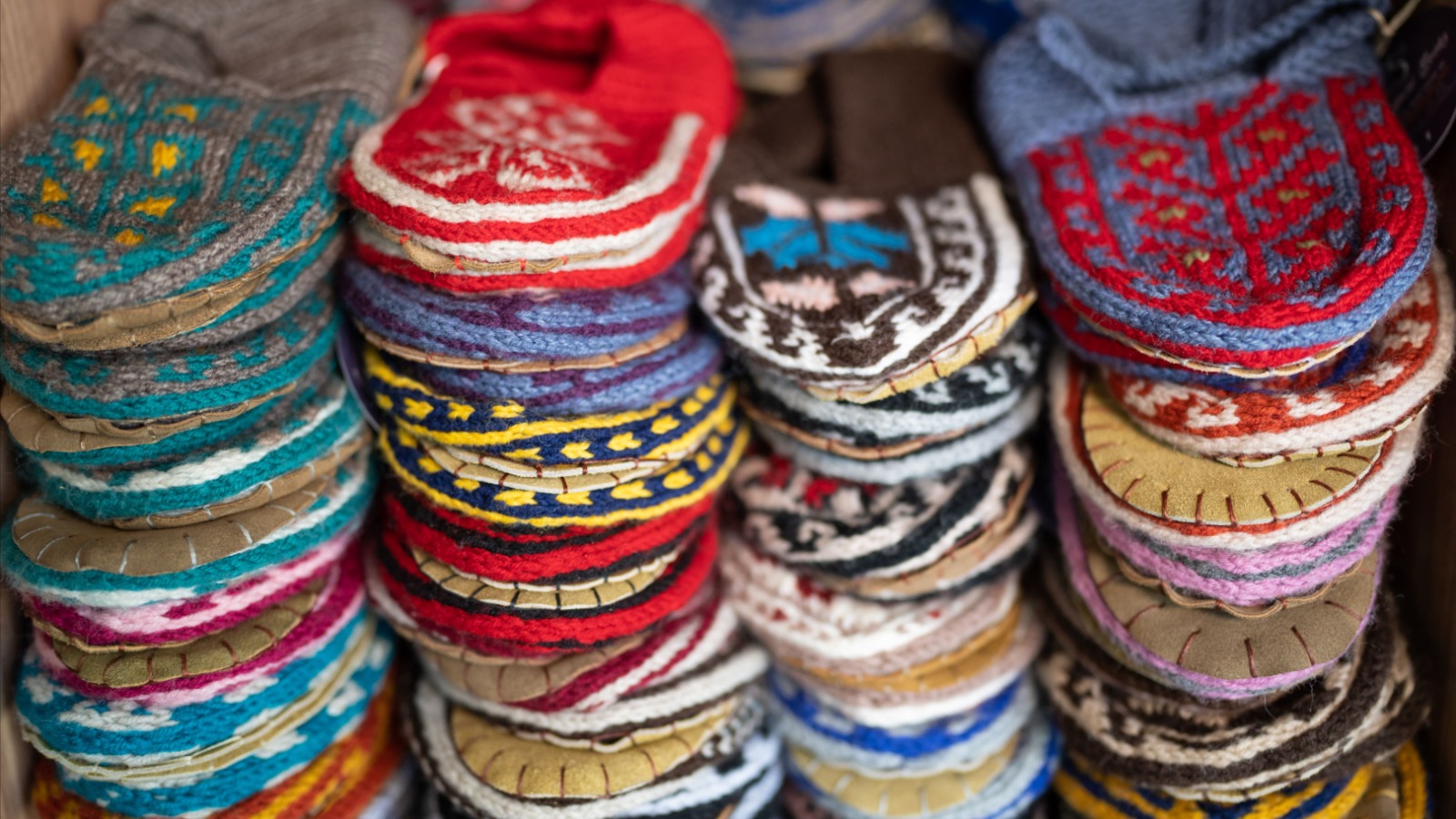
In the Caucasus, Central Asia, and parts of the Middle East, people developed their own unique form of socks called çorabs. These vibrant, intricately patterned socks became a staple across the region, prized for their warmth, durability, and artistic designs. Unlike typical Western socks, çorabs are often crafted using ancient techniques, sometimes by crochet or knitting, differing from the conventional methods that evolved in Europe.
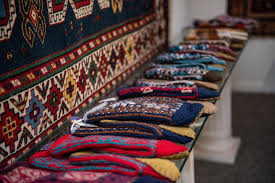
Azerbaijani çorabs are particularly renowned for their complex patterns and bright colors. They are a key aspect of Azerbaijani folk attire and hold a special place in cultural ceremonies and everyday life. Çorabs are so warm that in colder climates, they are sometimes reinforced with a leather sole, transforming them into a type of indoor footwear akin to felted boots. Each design element often carries cultural symbolism, making these socks not only functional but also a narrative of heritage and identity.
The Diversity of Çorabs Across the Region
While Azerbaijani çorabs have their unique characteristics, jorabs from other regions vary in style and craftsmanship:
• Pamir Çorabs: Made in Central Asia, particularly on the Pamir Plateau, these are crocheted to withstand extreme cold. They are popular among polar explorers and winter sports enthusiasts for their warmth and lightweight nature.
• Dagestani and Afghan Çorabs: Known for their different toe shapes (round in Dagestan and pointed in Afghanistan), these regional styles reflect subtle differences in knitting techniques.
• Kubachi Çorabs: Identified by their bright, joyful color schemes and distinct patterns, these socks from the Kubachi village in Dagestan are vibrant expressions of local culture.
• Akhty Çorabs: From the Akhty region, these Lezgian çorabs feature complex carpet-like designs, often woven with multi-colored threads to create a three-dimensional effect. These are considered true works of art within the region.
Craftsmanship and Symbolism in Azerbaijani Çorabs
The creation of Azerbaijani çorabs requires skill, patience, and knowledge passed down through generations. Artisans use wool and sometimes cotton, employing techniques that involve multiple needles to achieve detailed geometric and floral patterns. Each motif in Azerbaijani çorabs is more than just decoration; these symbols often represent aspects of nature, protection, and cultural beliefs. Wearing or gifting a pair of çorabs is a gesture of care and cultural pride, and they’re often exchanged during traditional ceremonies.
In recent years, there has been a resurgence of interest in Azerbaijani çorabs. Designers and consumers alike appreciate the socks for their craftsmanship, cultural value, and unique aesthetic appeal. Çorabs have found a place in contemporary fashion, often paired with modern attire as a statement piece. This trend echoes the global fashion industry's current interest in preserving traditional crafts and promoting sustainable, handmade goods.
While çorabs have gained international recognition, the artisans face challenges in preserving and promoting this craft on a larger scale. The rise of mass-produced, inexpensive socks has overshadowed traditional crafts, and younger generations may be less inclined to learn these complex knitting techniques. However, initiatives to support Azerbaijani artisans and promote çorabs as cultural heritage items provide hope that this art form will continue to thrive, merging tradition with contemporary fashion.