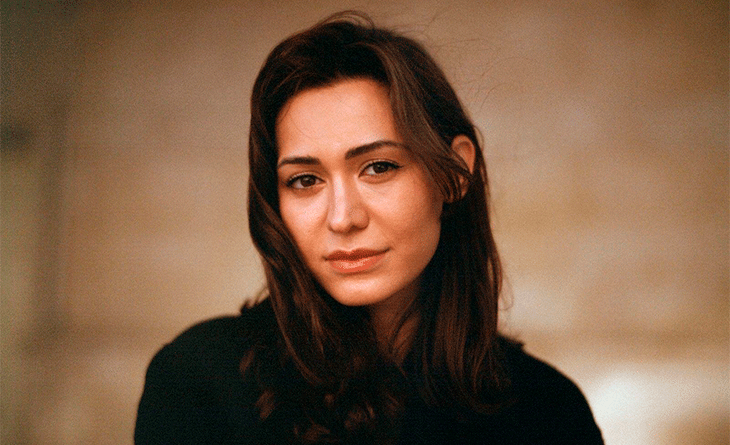

TAHMINA RAFAELLA
CINEMATIC STORY
From a young age, Tahmina Rafaella was driven by an insatiable desire to
learn and immerse herself in the world of filmmaking. “I was quite
impatient and wanted to learn. I believe the best way to do so is by immersing
yourself in the experience” she reflects. This passion led her to write
her first feature film, “Inner City” during her university years, starting the
script in class and continuing its development independently.
Rafaella's works often delve into themes of identity, modernity, and
tradition, mirroring Azerbaijan's unique cultural crossroads. She believes that
despite cultural differences, universal struggles connect us all. “No matter our cultural differences,
we all face similar struggles at the core. Cultural identity plays a
significant role in storytelling, but if you look closely, the most beloved
films—regardless of their cultural origins—resonate with people across
backgrounds by transcending political and cultural differences. I strive to
achieve that in my work while remaining as honest as possible in portraying the
culture reflected in the script” she observes.
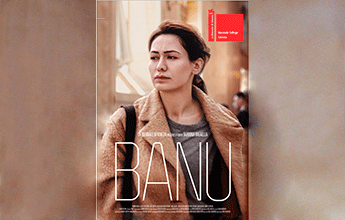
Her
film "Banu" stands as a testament to this approach. As the first
Azerbaijani project selected for the La Biennale College Cinema program, it
presented both significant rewards and challenges. “The greatest reward was
simply being able to make the film” Rafaella states, acknowledging the
difficulties many filmmakers face in bringing their projects to life. “Many
talented filmmakers never see their projects come to life—not due to a lack of
talent, but because of limited opportunities. I feel fortunate to have created
something through the Biennale College Cinema program, which genuinely uplifts
filmmakers, including those from regions with less developed film industries.
The biggest challenge was the fast-paced process. We had to work much quicker
than what is usual, including casting, editing, and premiering.”
The success of "Banu" at the Venice Film Festival and other
international platforms holds profound meaning for Rafaella and Azerbaijani
cinema. “It means that people are interested in hearing our stories, and
we should continue to tell them as honestly as possible” she asserts,
encouraging fellow filmmakers to persevere despite the industry's challenges.
Her acting training in Los Angeles and London has significantly influenced
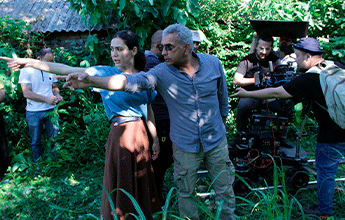
her directorial approach. “My experience as an actor greatly influenced how I work with actors on
set. I view actors as essential contributors to a film, and I welcome their
ideas and collaboration when approaching a scene. I encourage them to feel
comfortable sharing their insights” she explains, fostering a
collaborative environment on set.
Rafaella's short film “A Woman”
serves as an homage to women everywhere—a love letter to selfless, strong, and
empathetic women who are often underappreciated. “I poured my heart into
it as an homage to women everywhere—a love letter to selfless, strong, and
empathetic women who are often under-appreciated. Their true strength lies in
their giving nature. I'm grateful that the film resonated with people, which is
the greatest gift I could ask for as a filmmaker. The reception made me want to
continue telling stories” she shares, expressing her desire to continue
telling impactful stories.
Balancing the creative and technical aspects of filmmaking can be
challenging, but Rafaella emphasizes the importance of surrounding oneself with
a trusted team. “I've found that surrounding yourself with trusted people
who are committed to doing their best can help minimize the stress when
technical issues arise” she advises.
Looking ahead, Rafaella believes that Azerbaijani filmmakers can make
significant contributions to global cinema by being honest in their artistry. “Whether creating an art house piece
or a docu-drama, staying true to yourself is essential. Audiences can always
sense when a film is trying to be something it’s not. I hope to contribute to
this honesty with my own work as well” she emphasizes, hoping to
embody this honesty in her own work.
To young women in Azerbaijan aspiring to enter the film industry, Rafaella
offers encouraging words: "Trust your voice and keep learning. Watch movies, listen to interviews,
read books—there's so much available online these days. Meet other young
filmmakers and collaborate with them, even if it's on projects that no one will
ever see. Those early works may not be great, but that's part of the learning
process. If you truly want to pursue filmmaking, understand that it’s a
challenging profession, and things won’t be handed to you easily. But when you
do get the chance to create, you’ll understand why you started in the first
place." She underscores the importance of collaboration and
persistence, acknowledging the challenges but affirming the fulfillment that
comes from pursuing one's passion.
For Rafaella,
heritage represents the legacy we leave behind, a combination of many ideas and
influences. “To me, heritage represents what we leave behind once
we’re gone. But I believe it’s not just ours—it’s
a combination of many ideas and influences that come together, with each of us
serving as a vessel to pass it on for others to see. We all have the ability to
contribute to our shared heritage as human beings, in whatever way we can. We
all carry heritage within us, and it doesn't need to be grand or extraordinary
to be meaningful.”
Through her dedication to authentic storytelling and cultural
representation, Tahmina Rafaella continues to carve a path for Azerbaijani
cinema on the global stage, inspiring others to share their unique narratives
with the world